SKILL LABORATORY
Medical Education Unit
About the Skill Lab
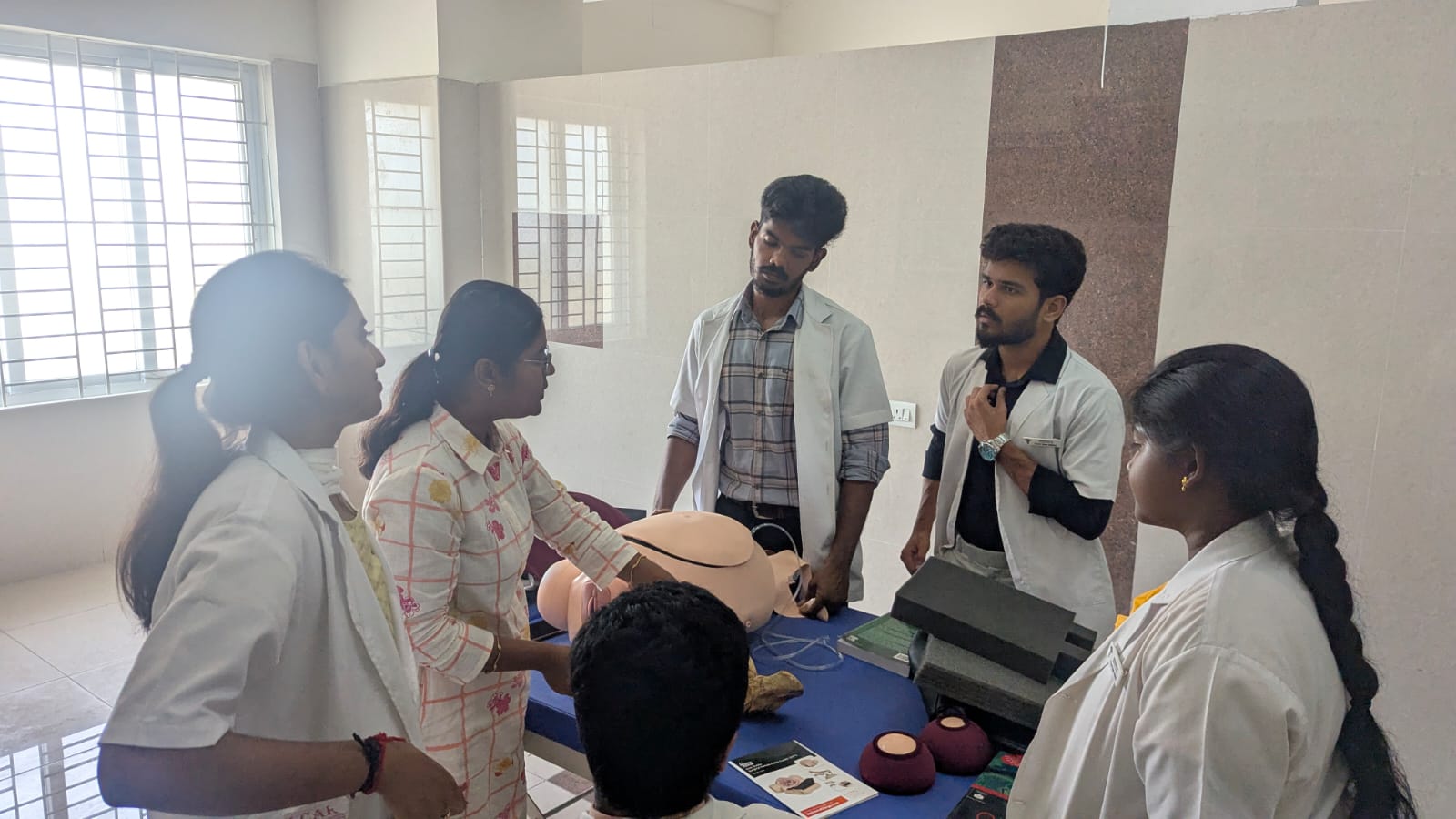
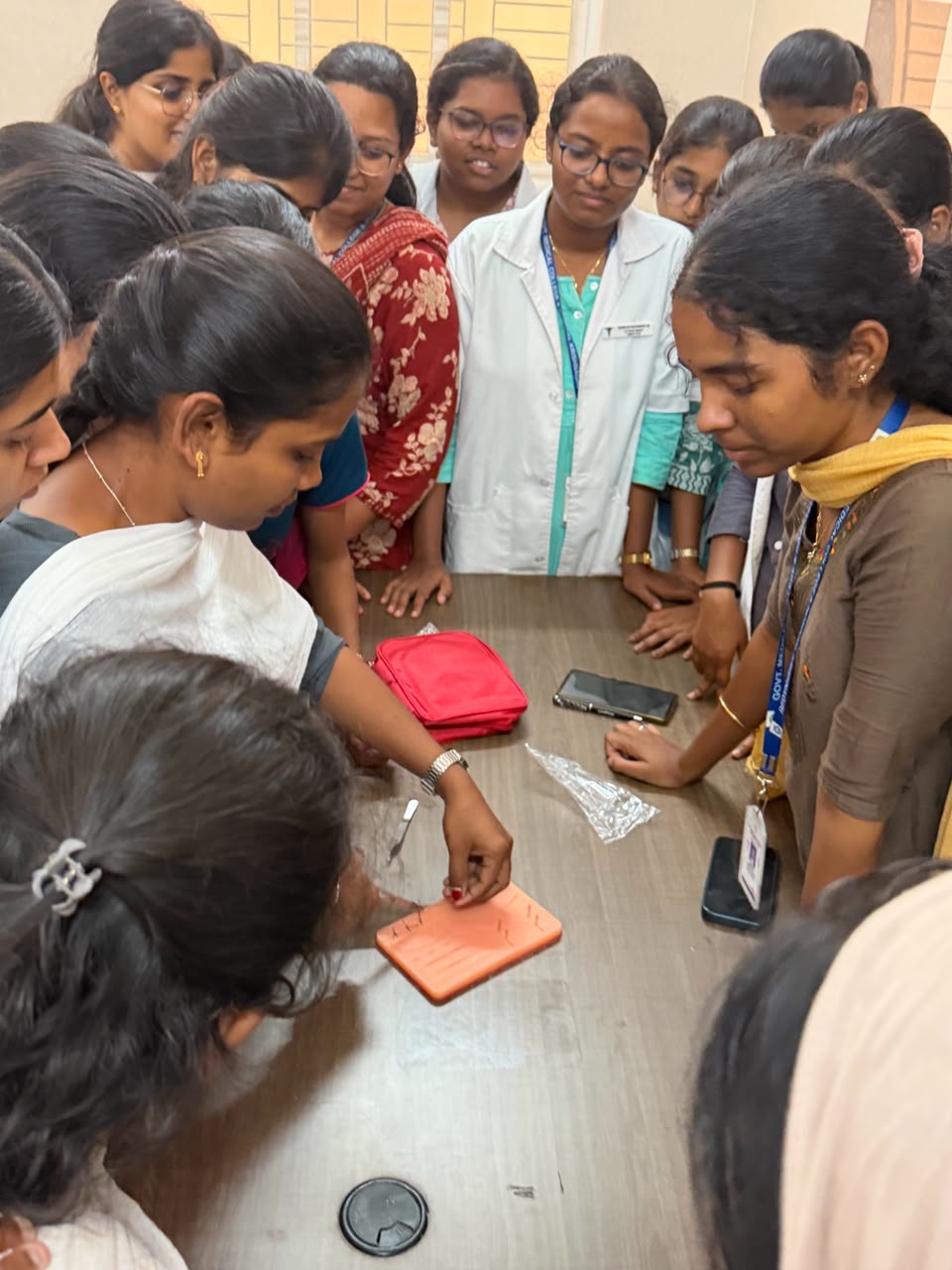
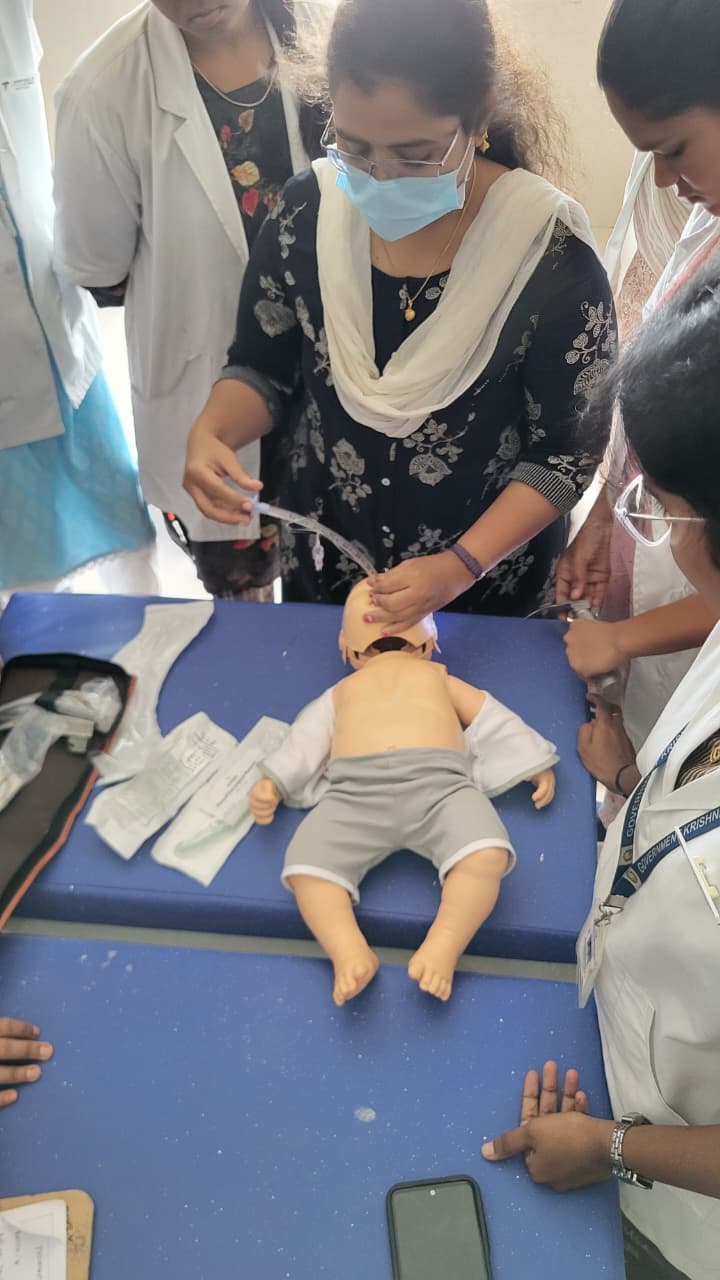
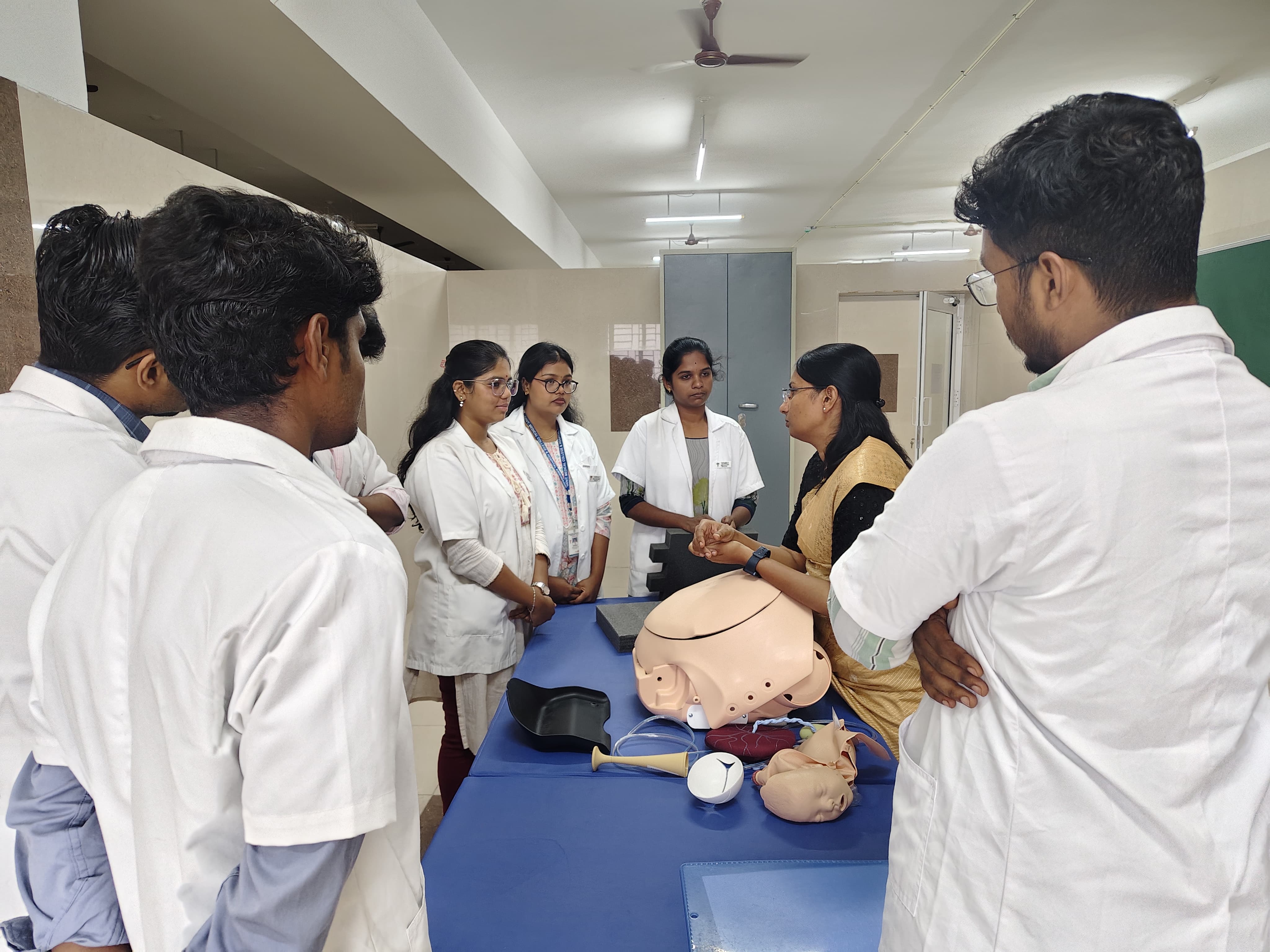
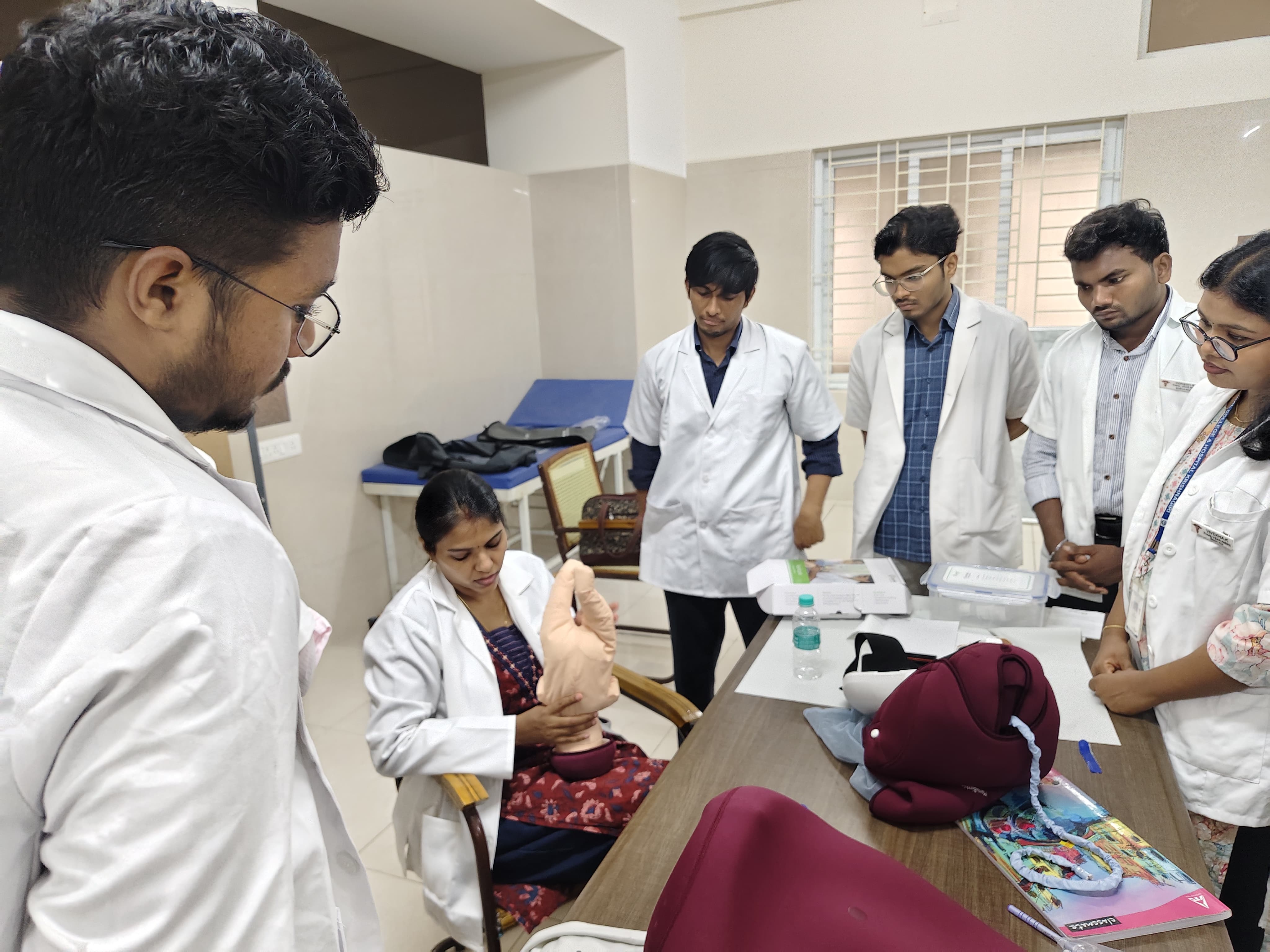
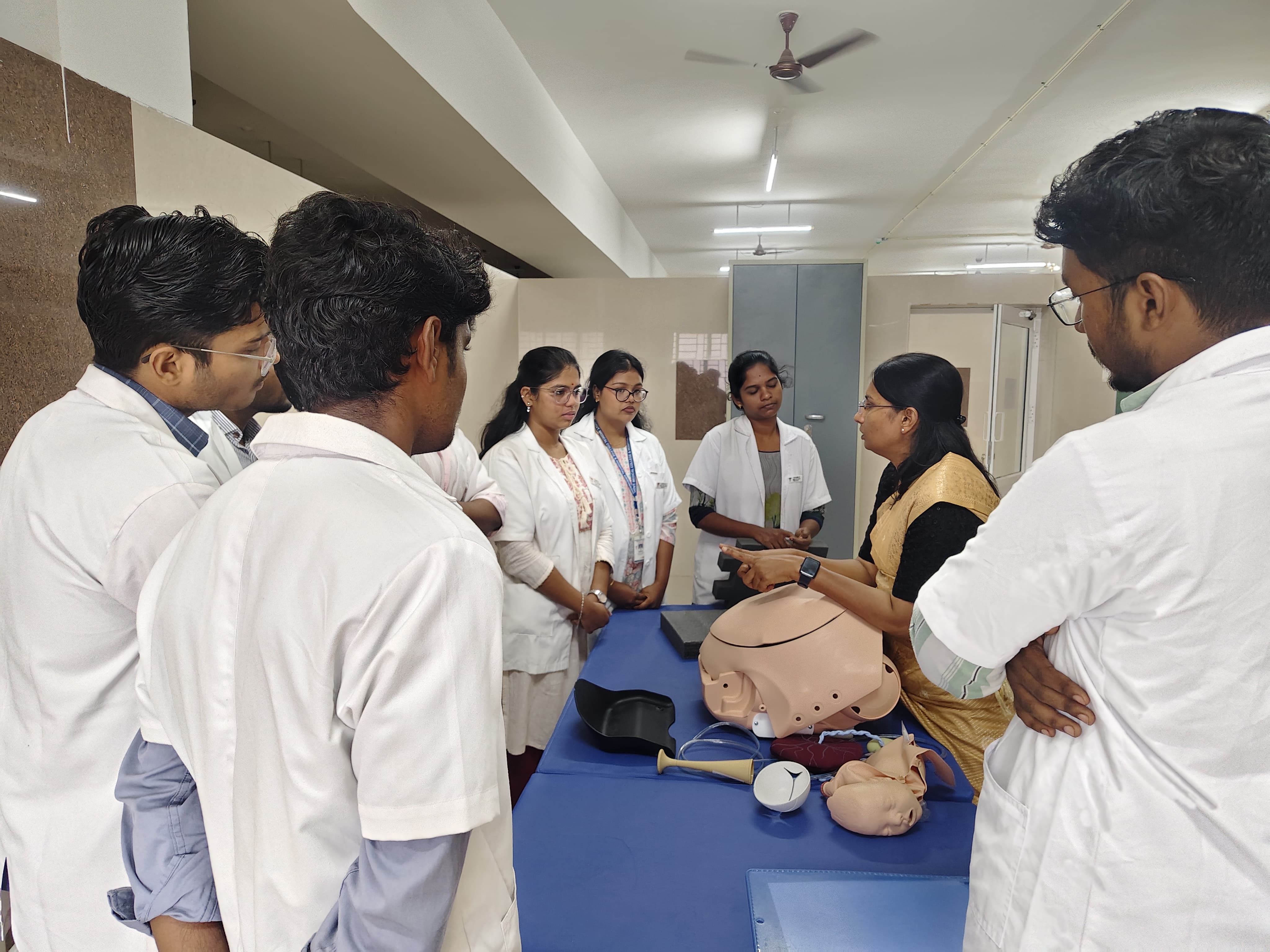
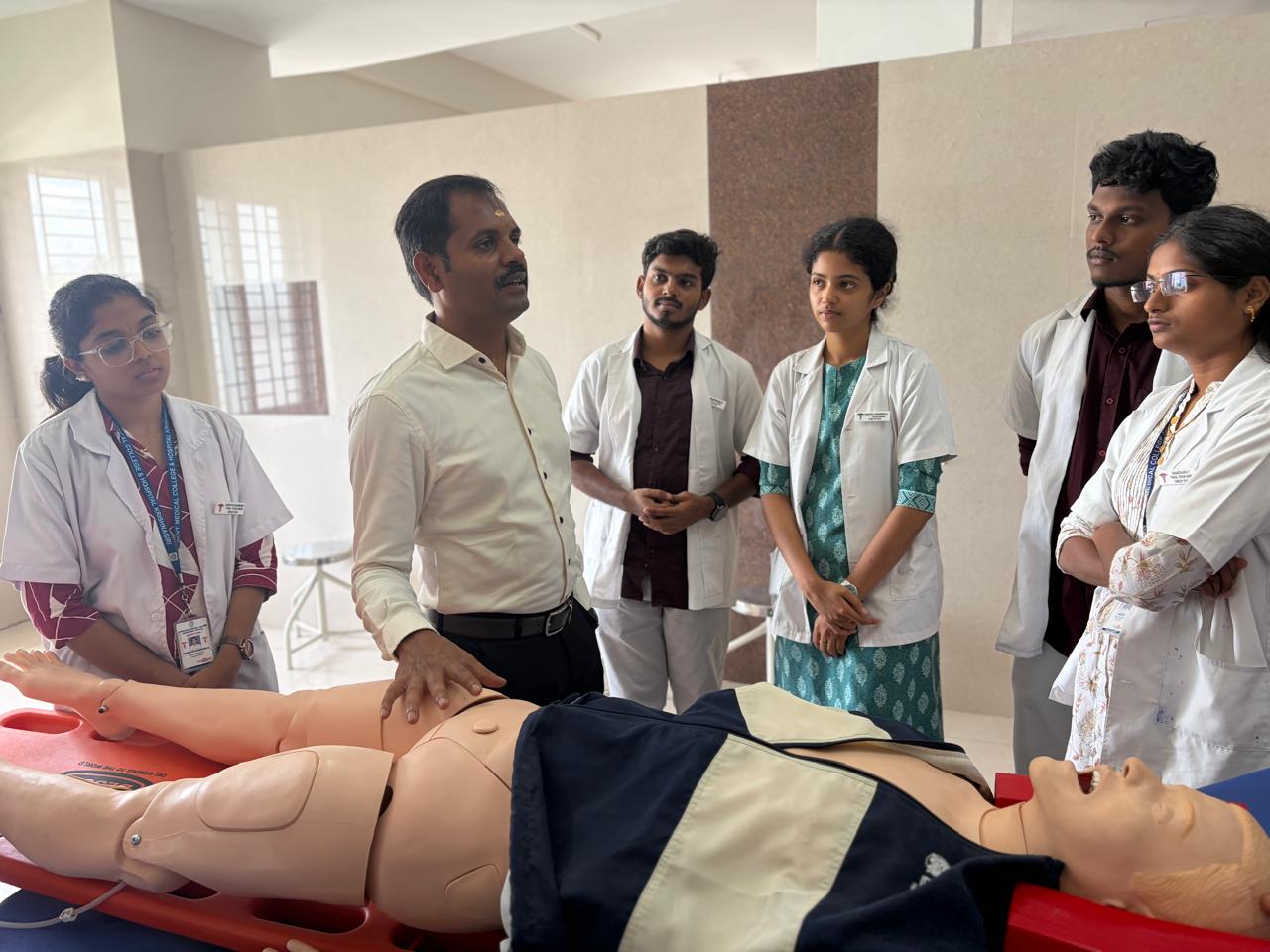
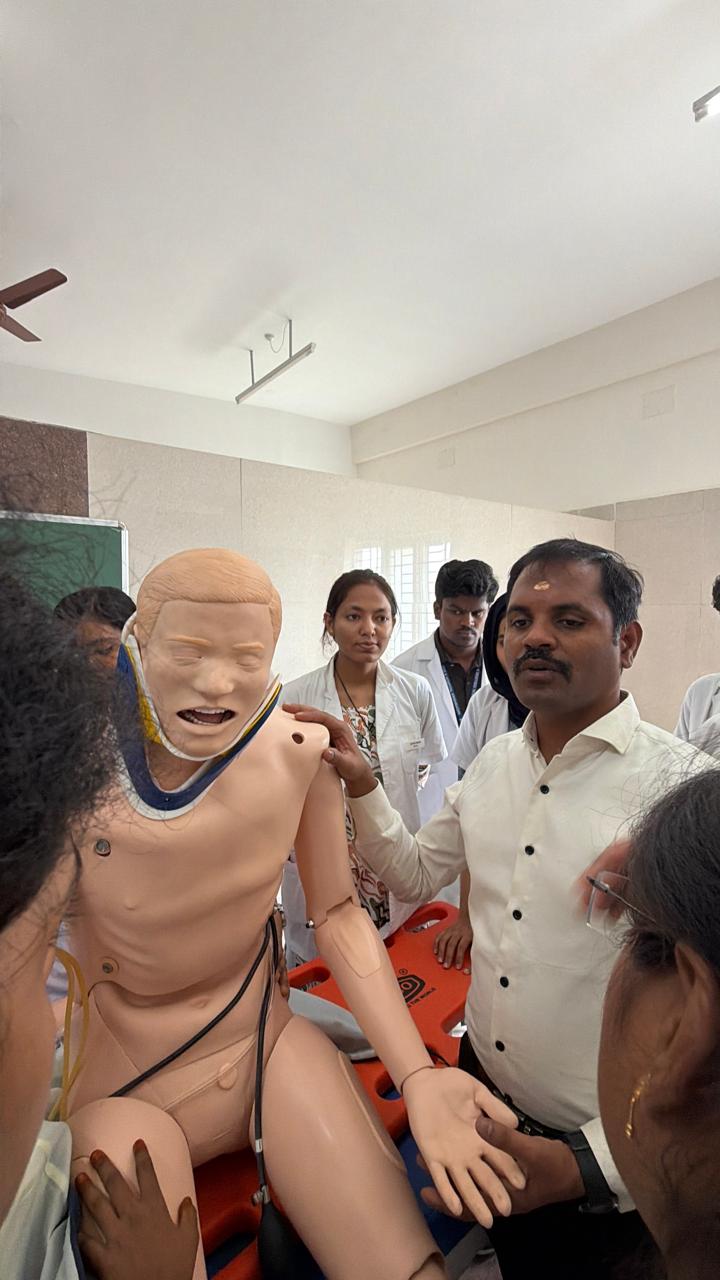
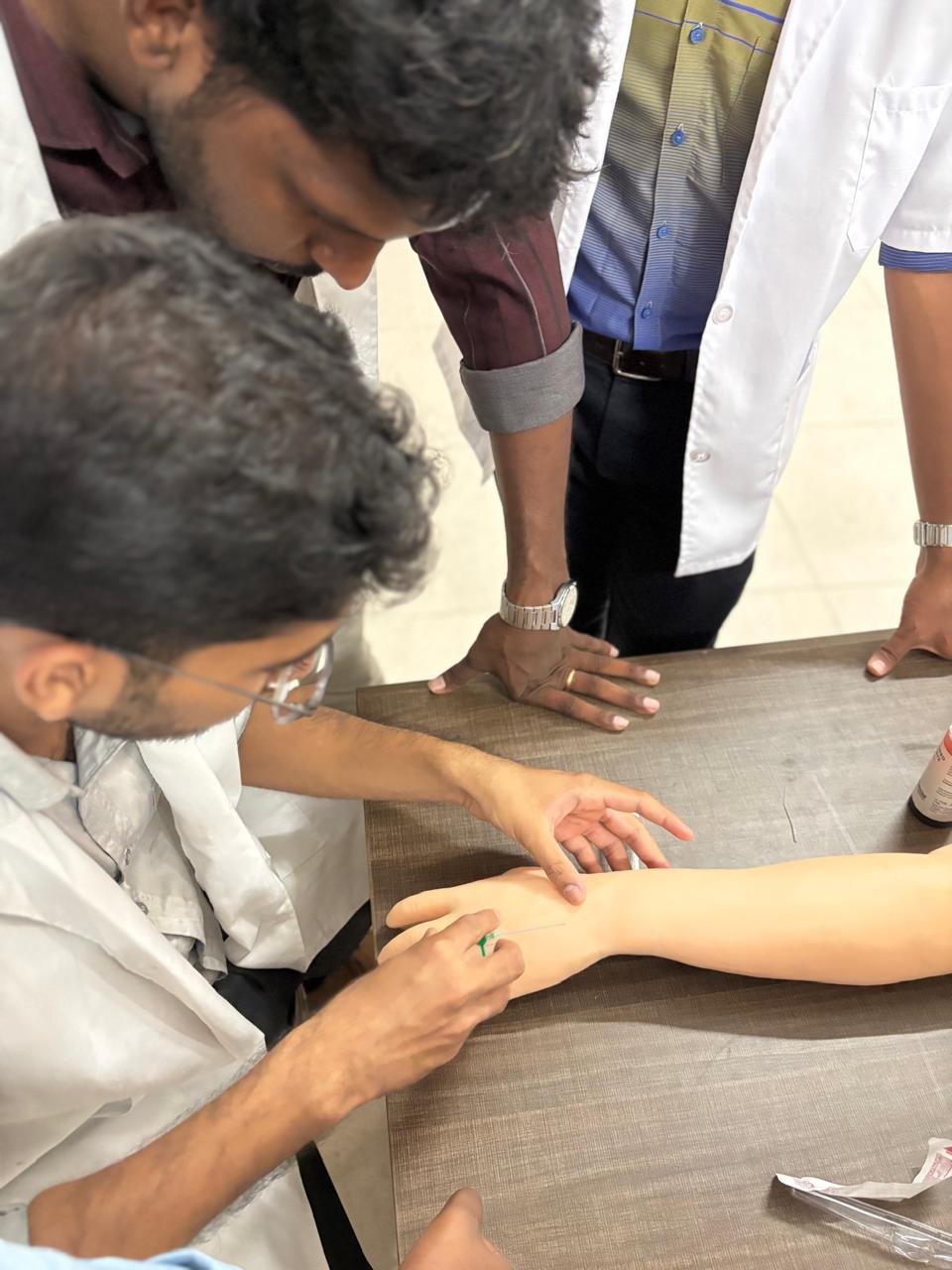
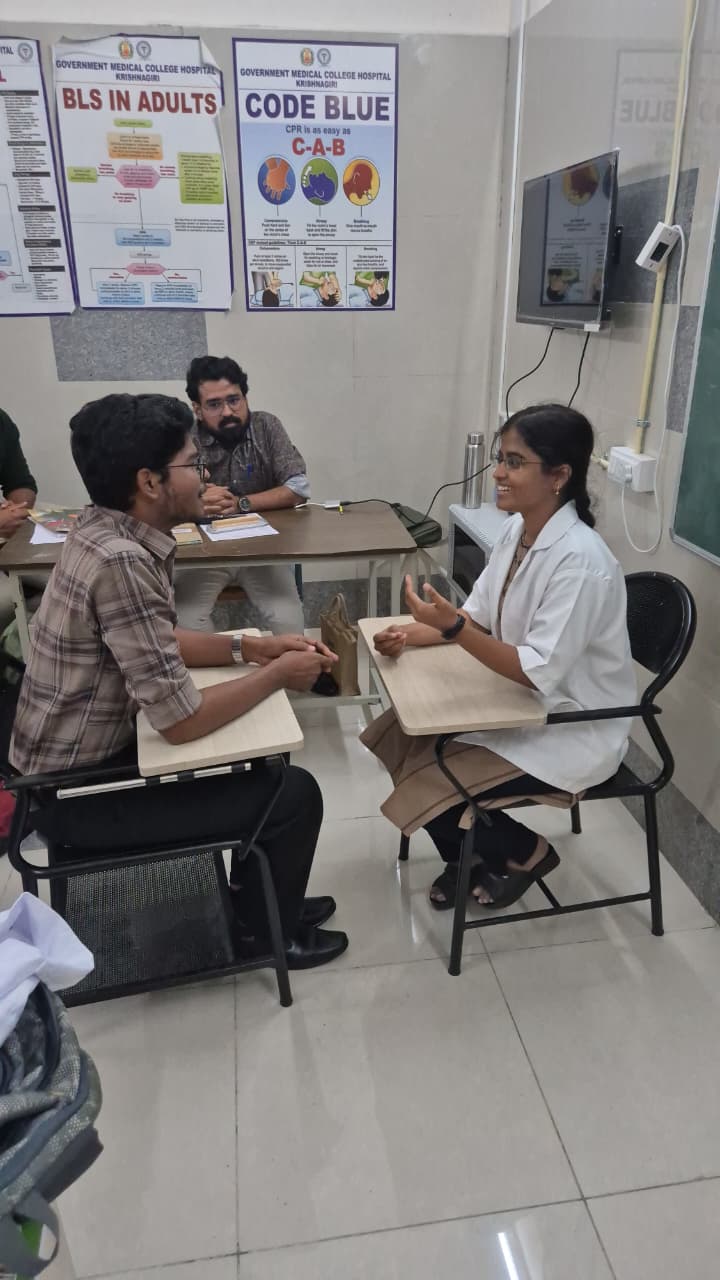
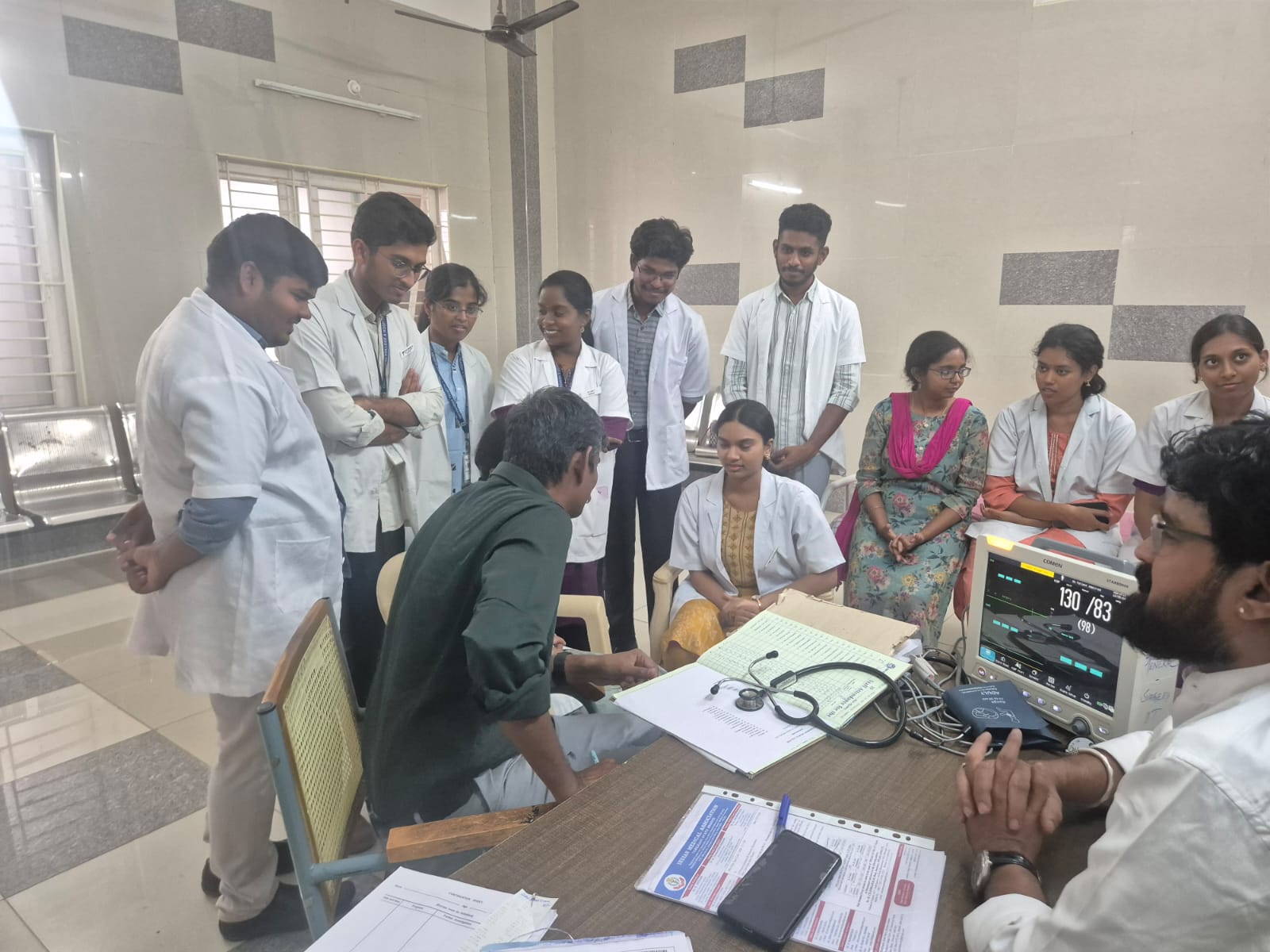
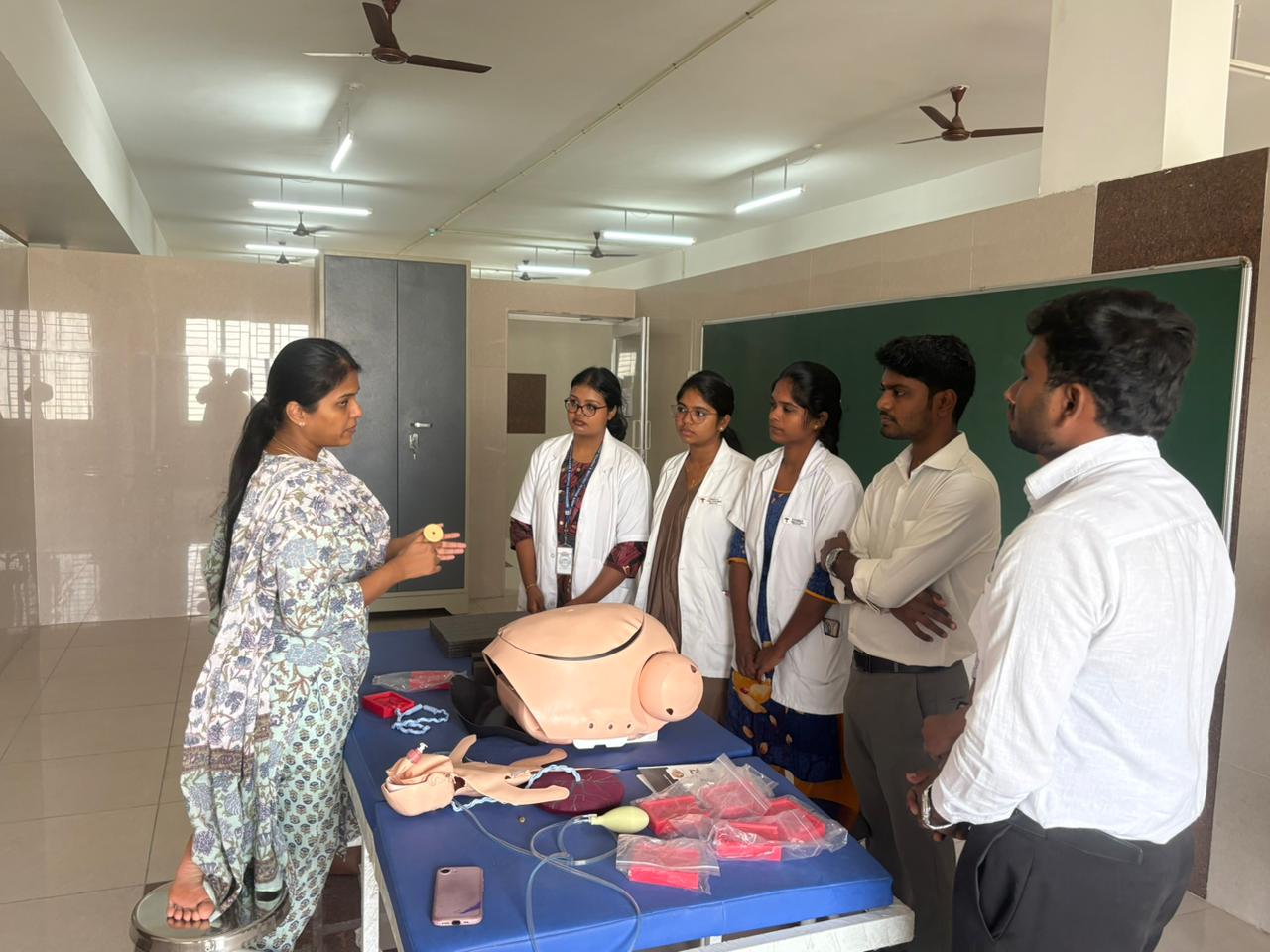
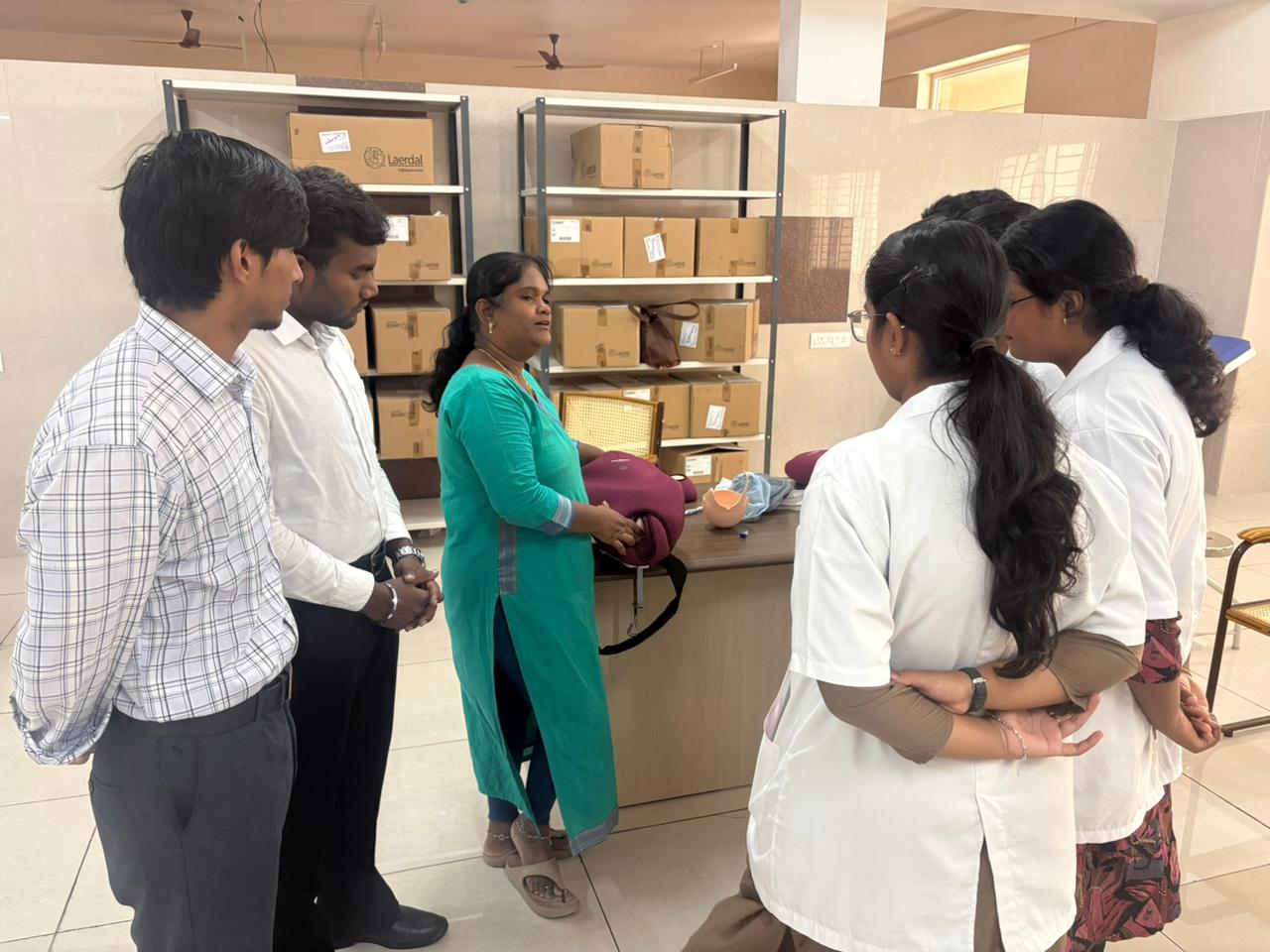
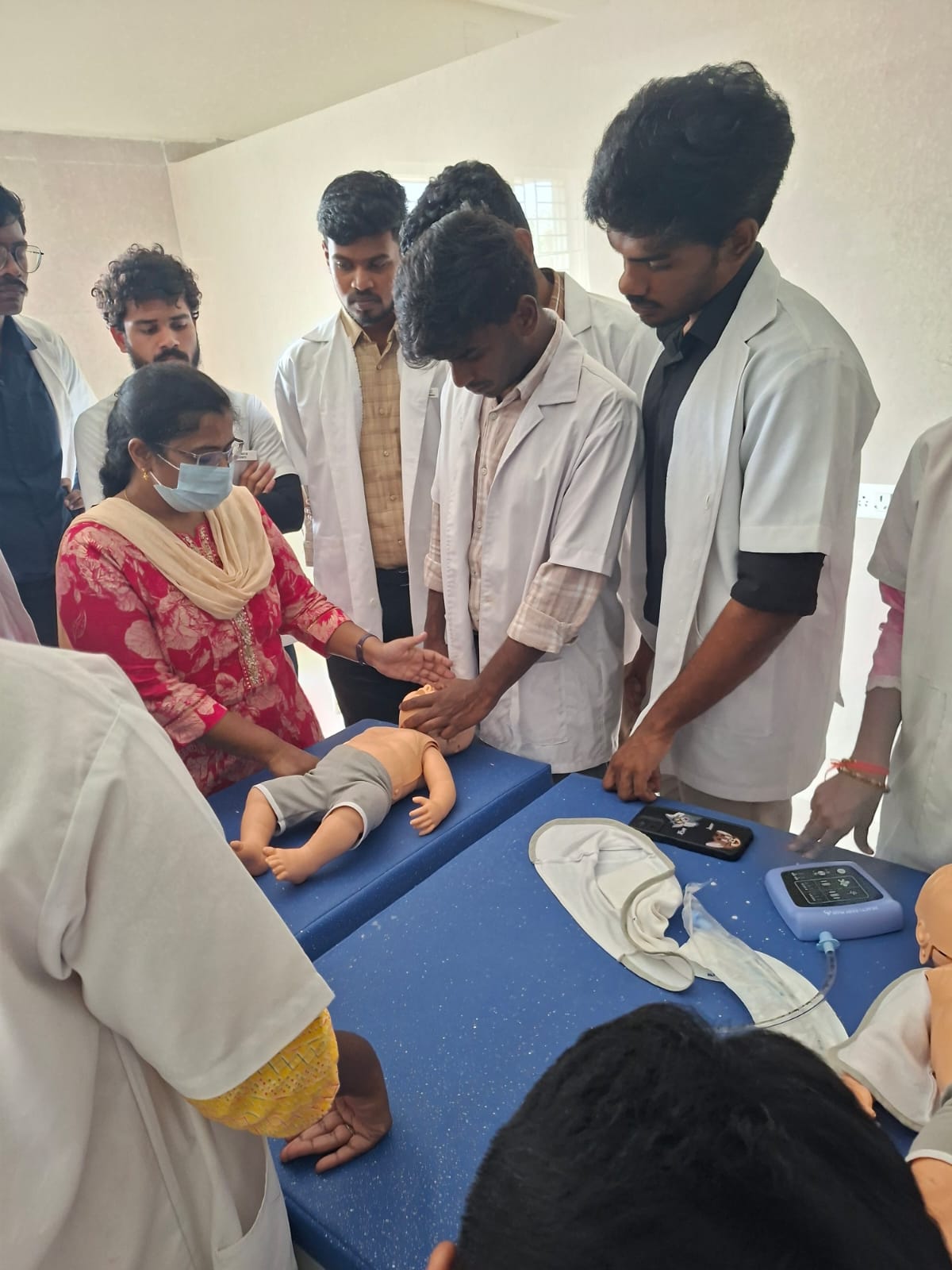
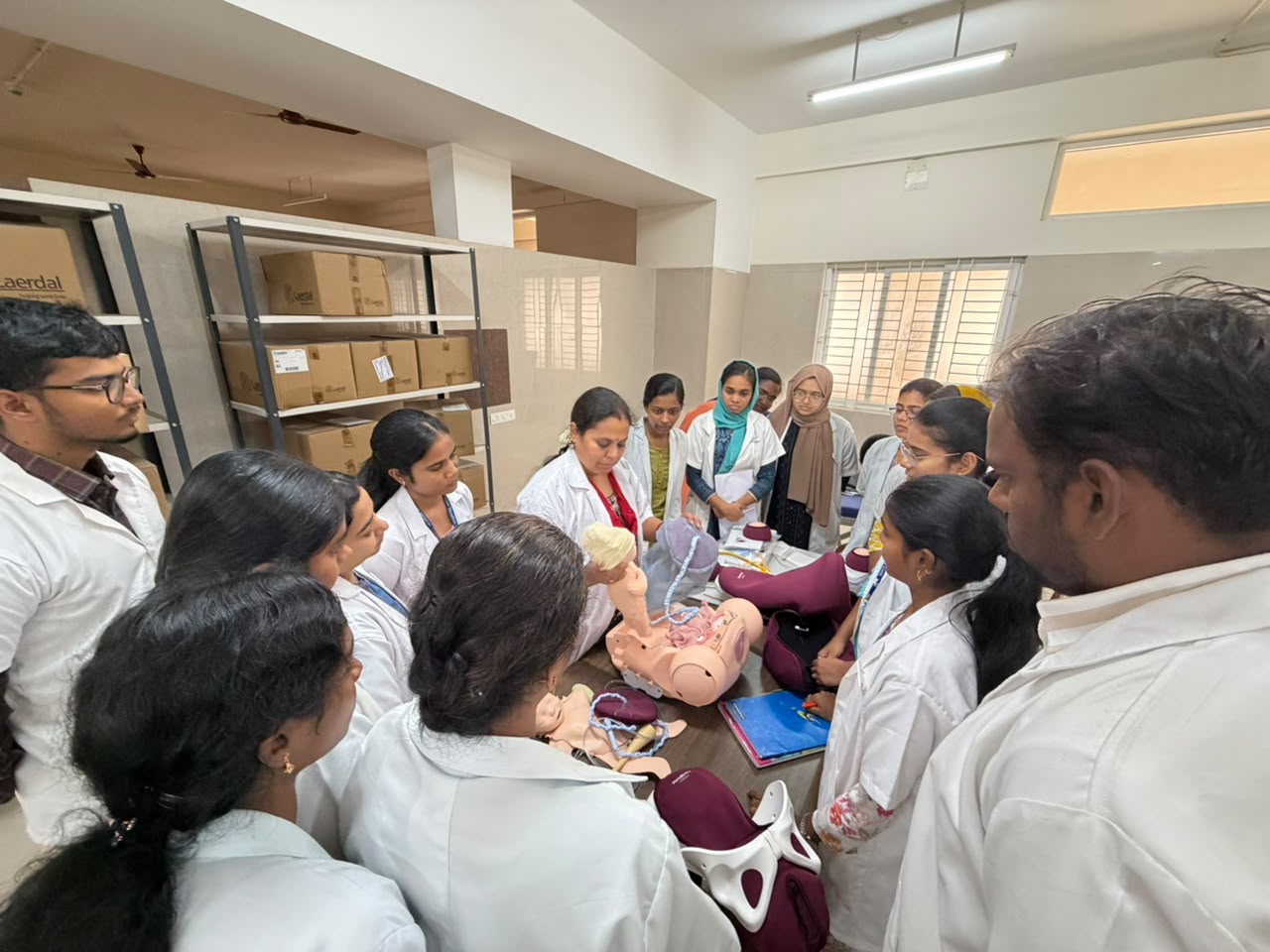
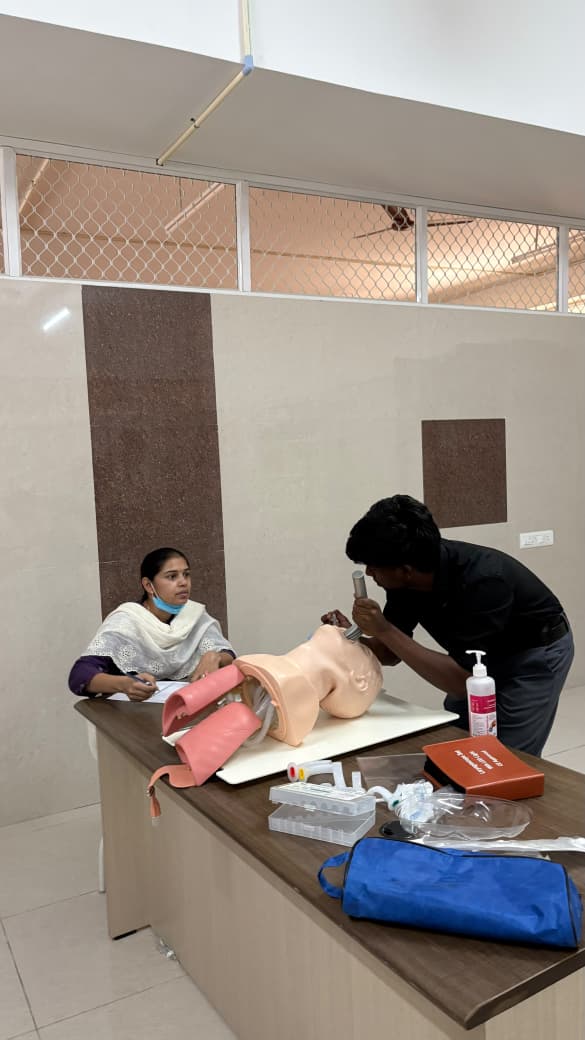
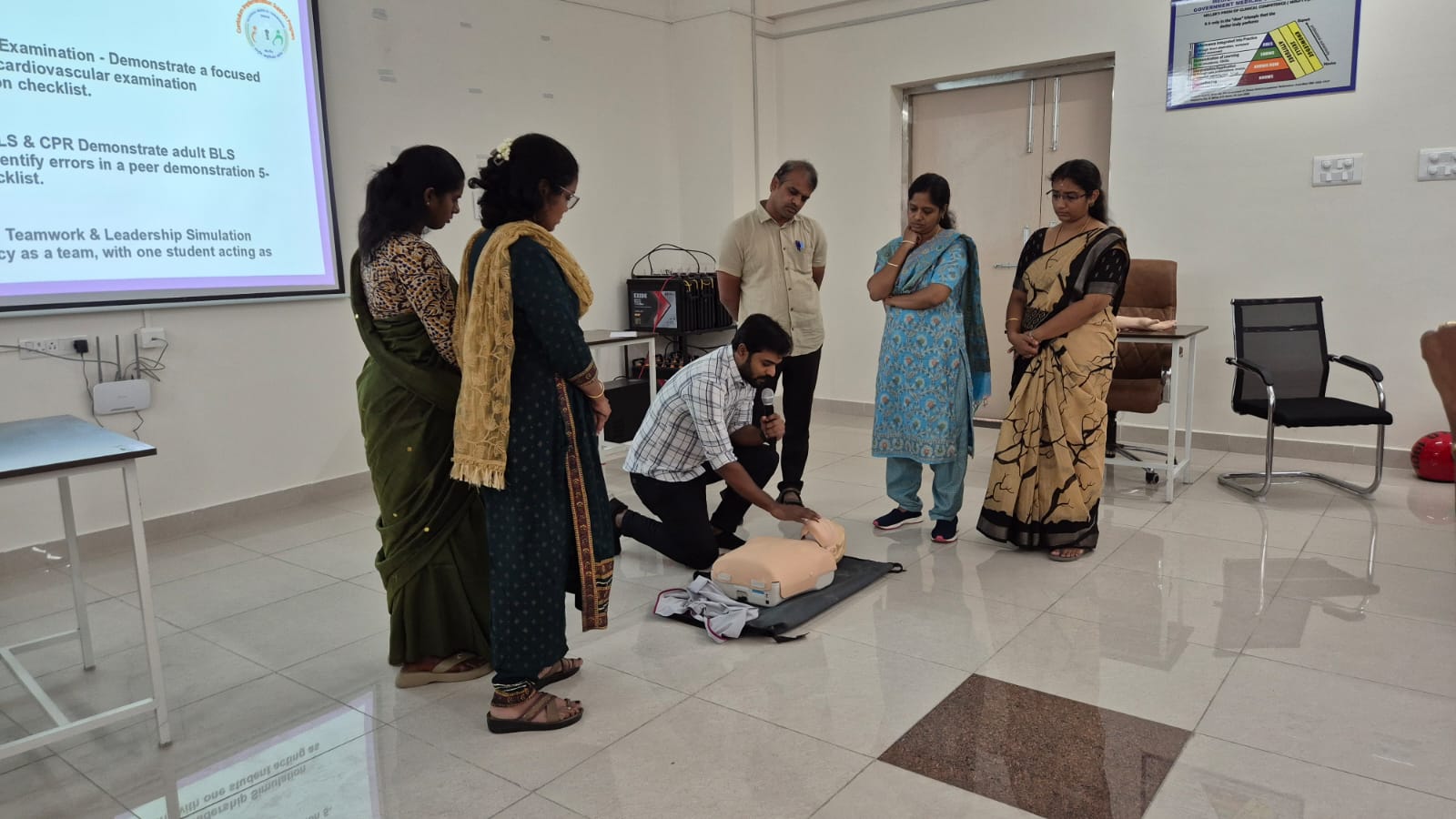
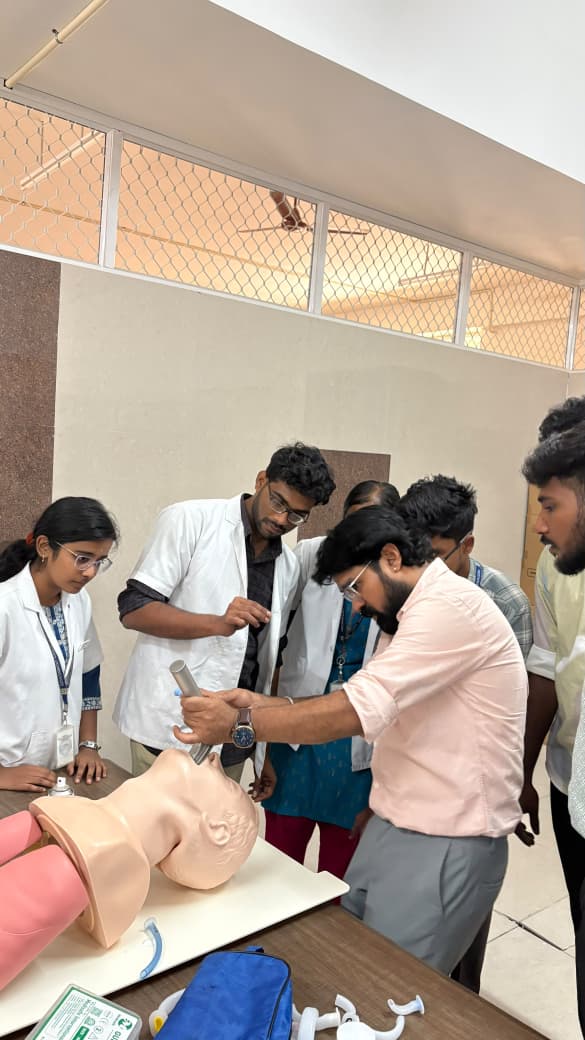
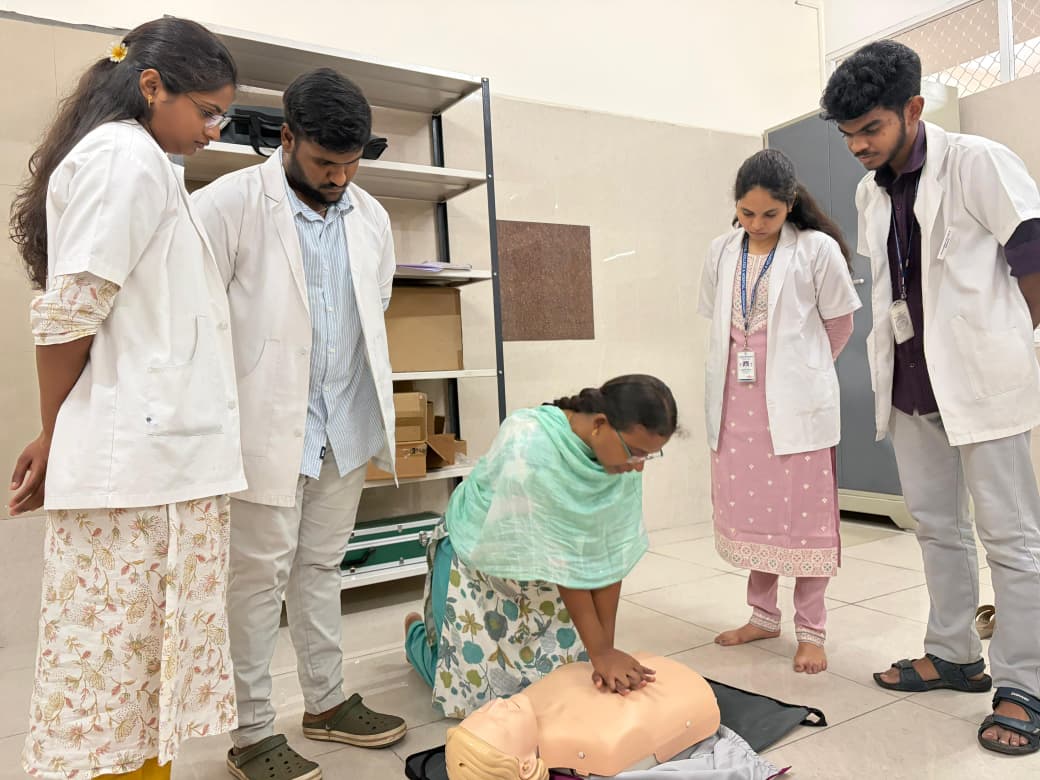
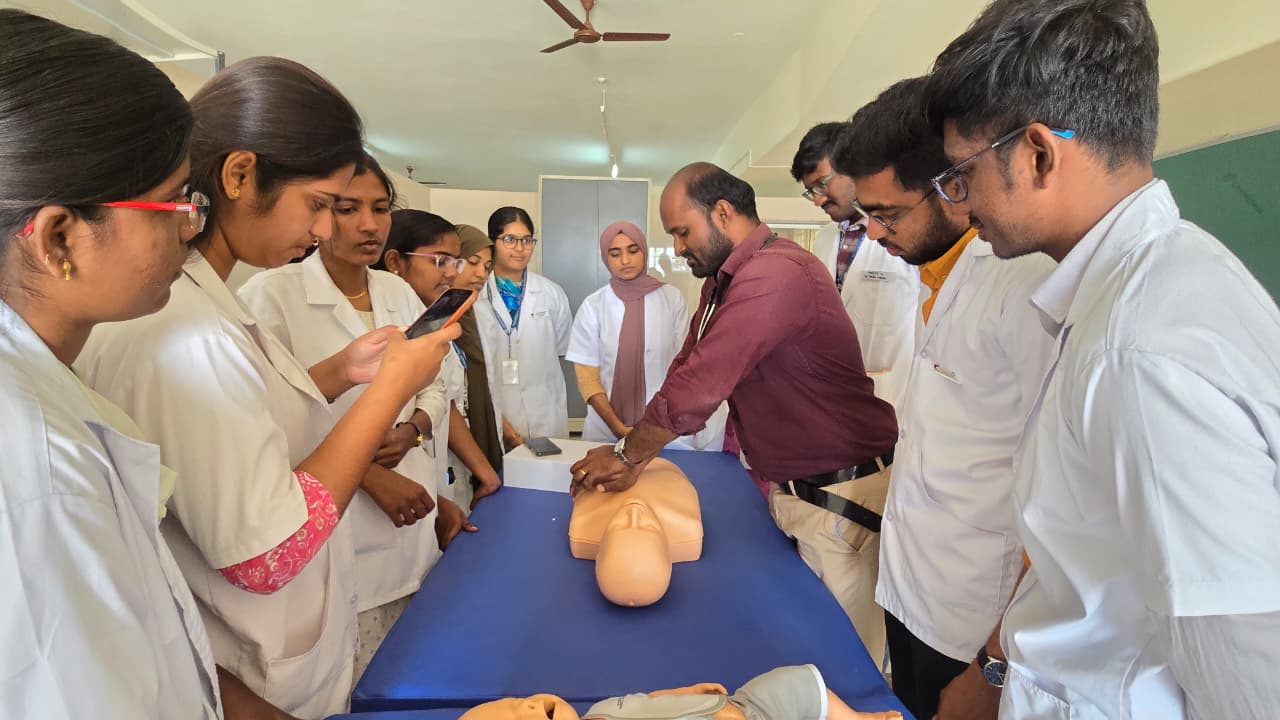
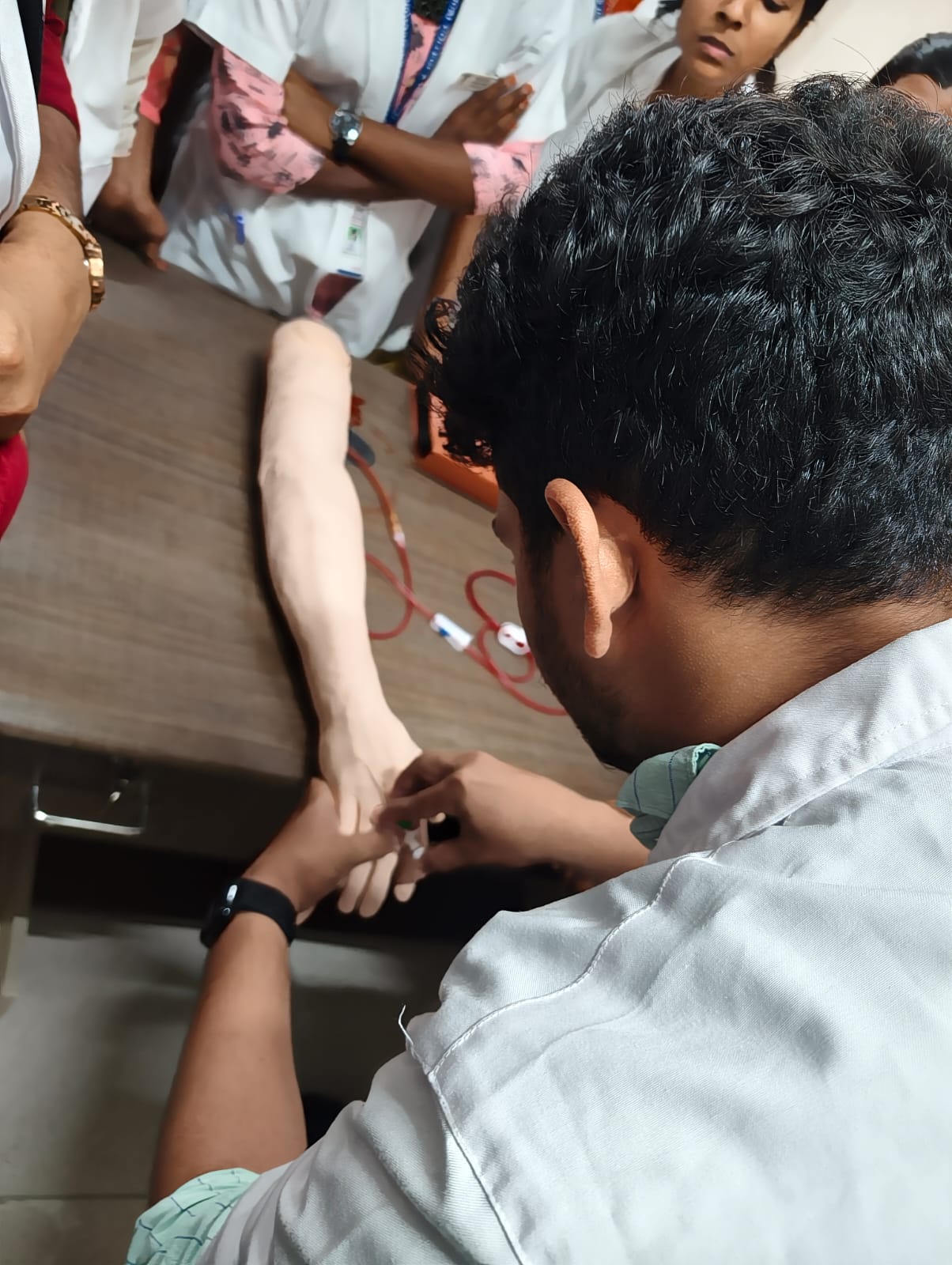
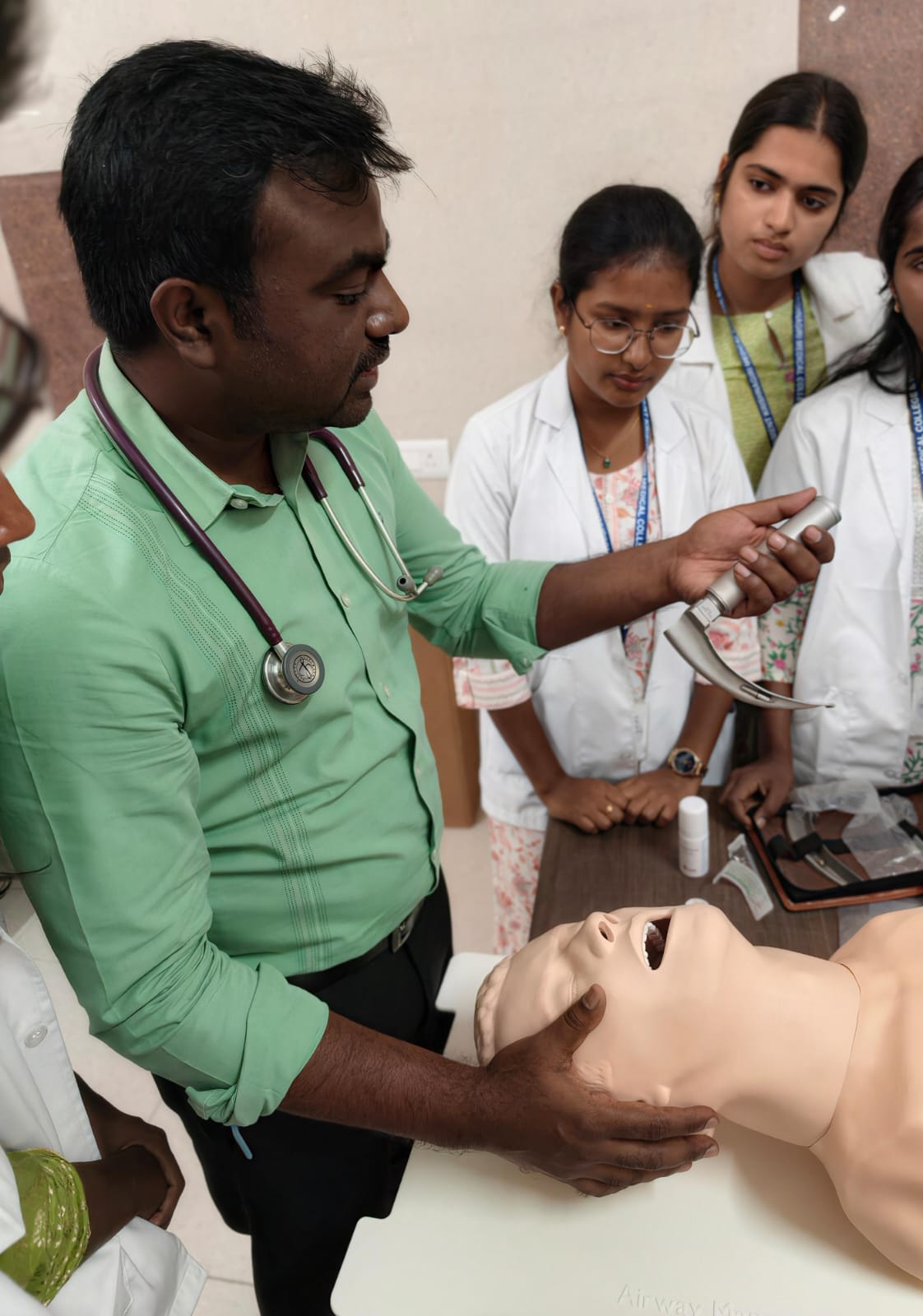
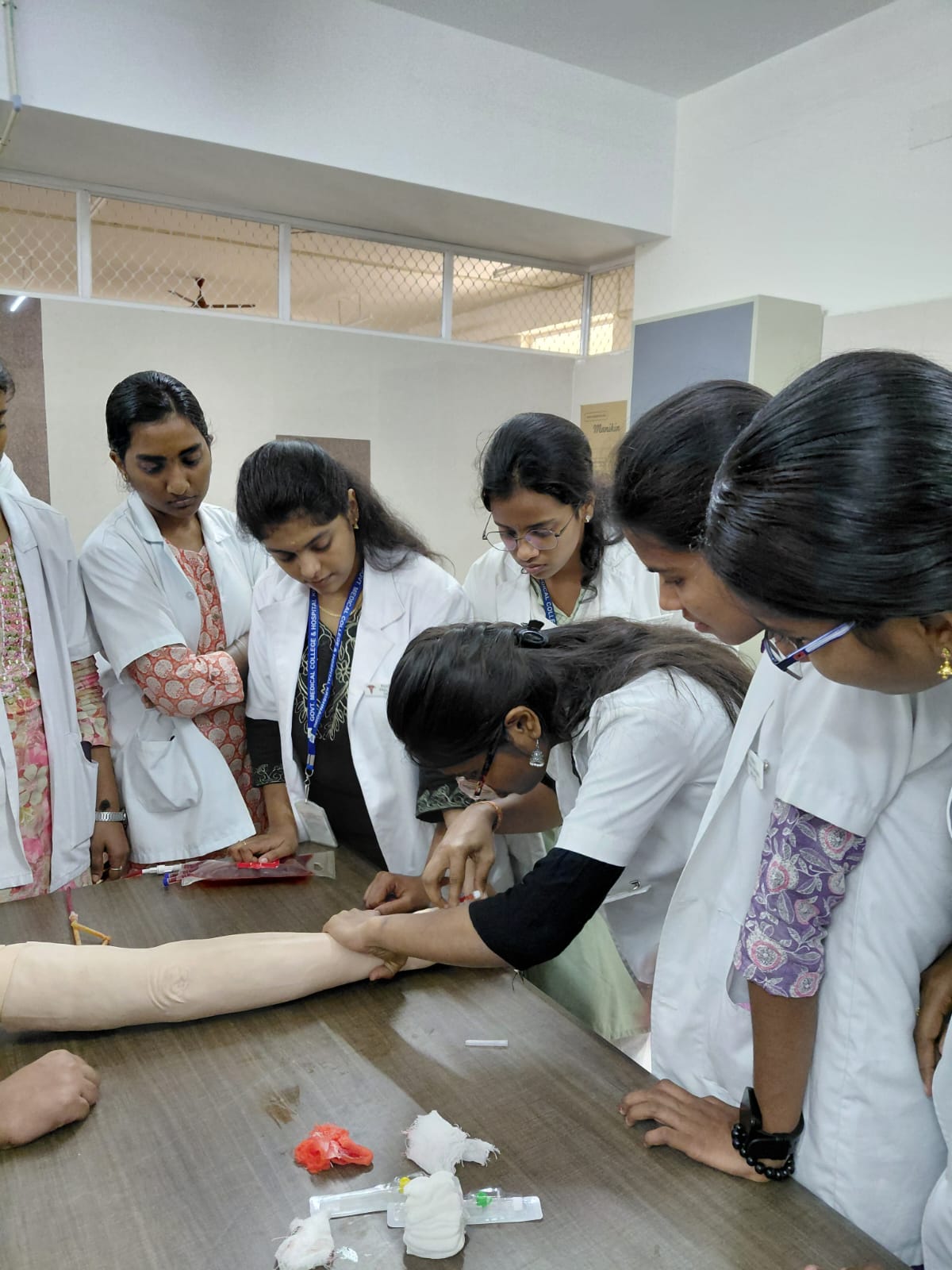
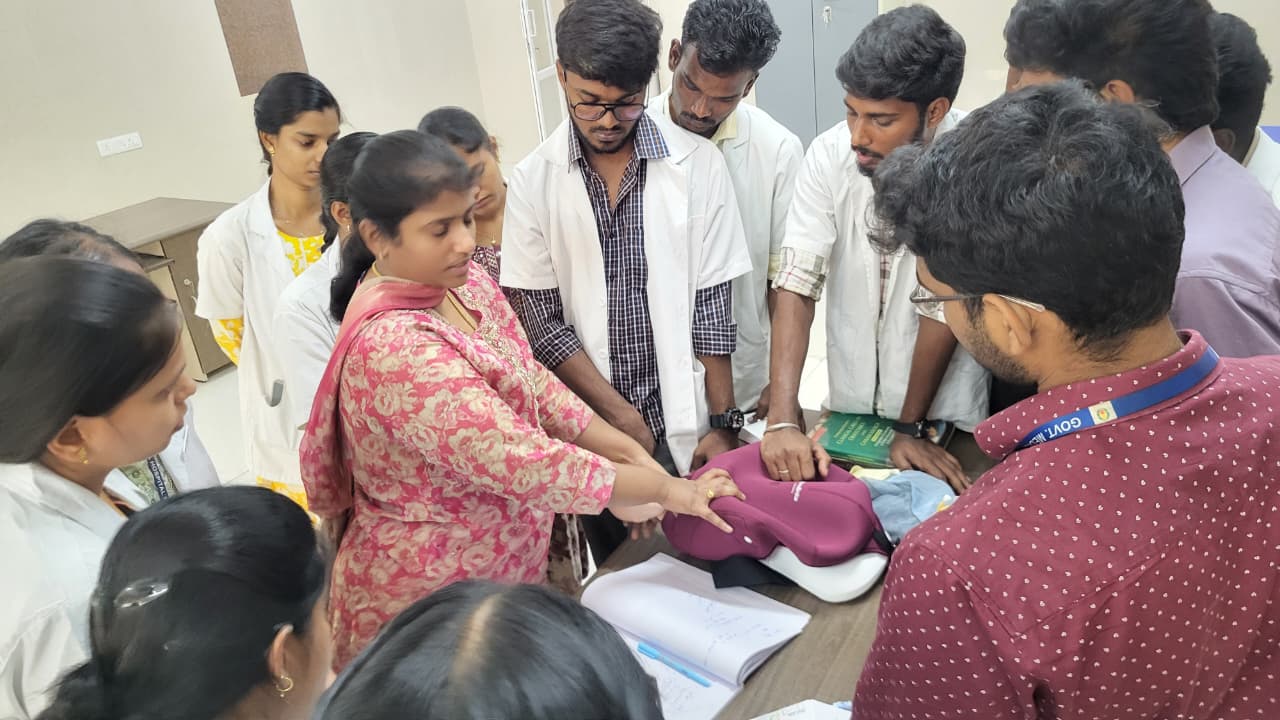
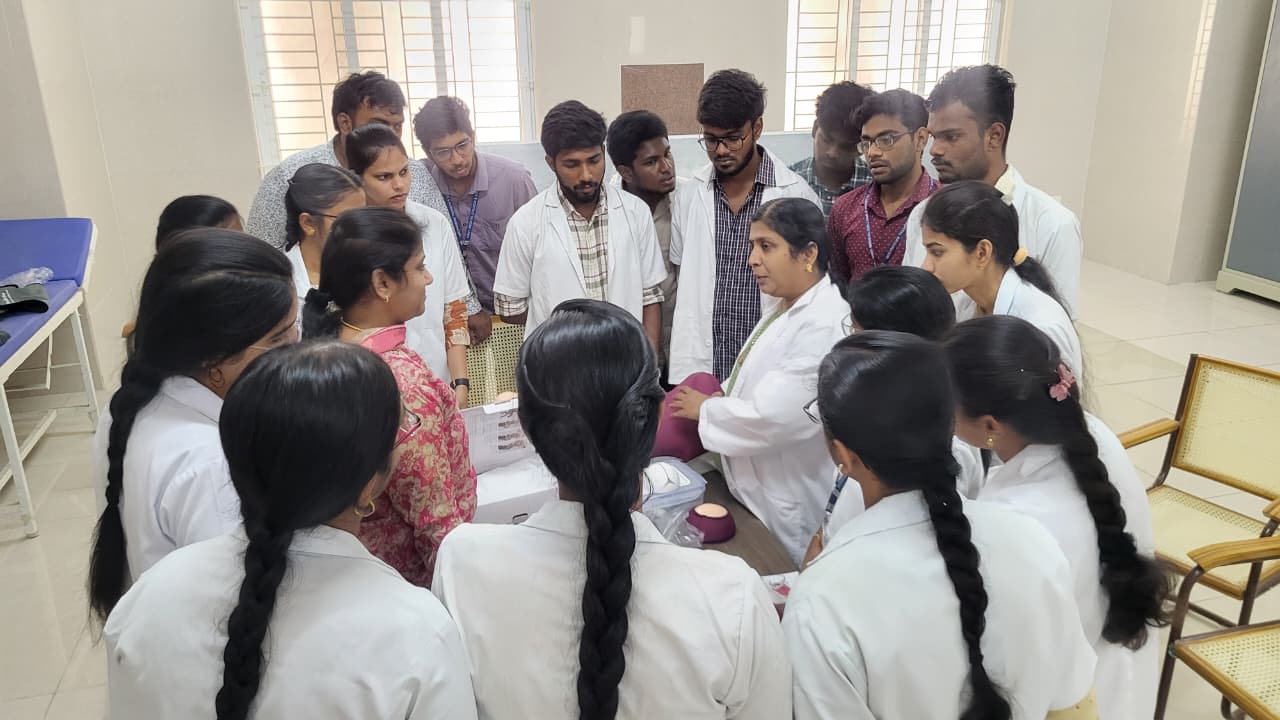
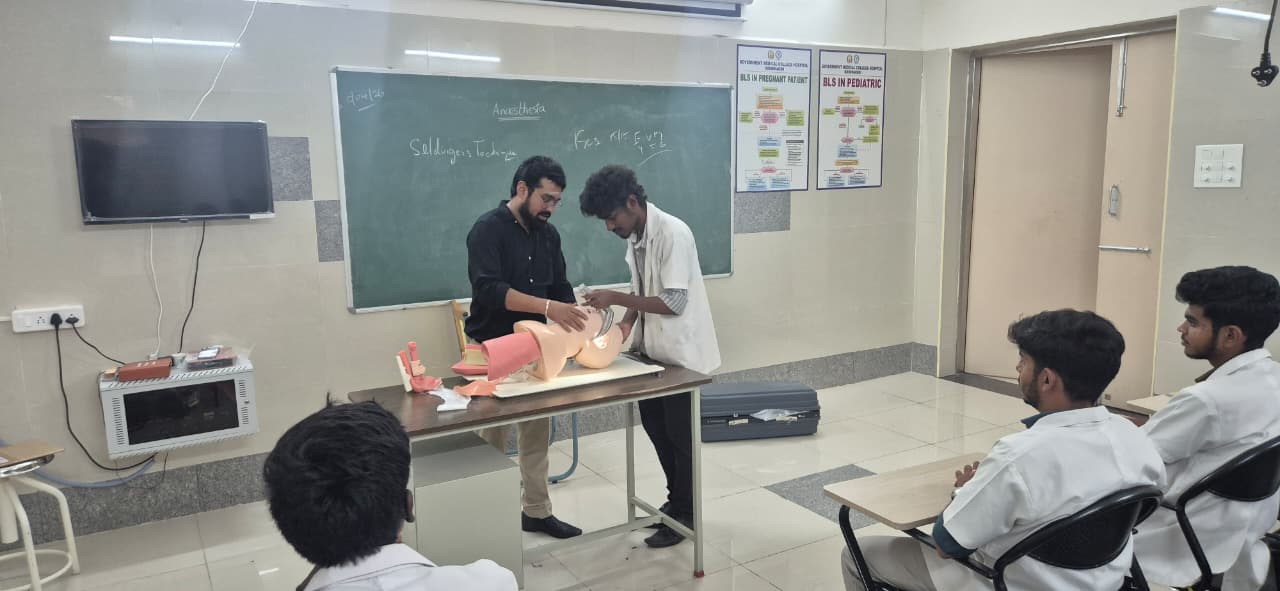
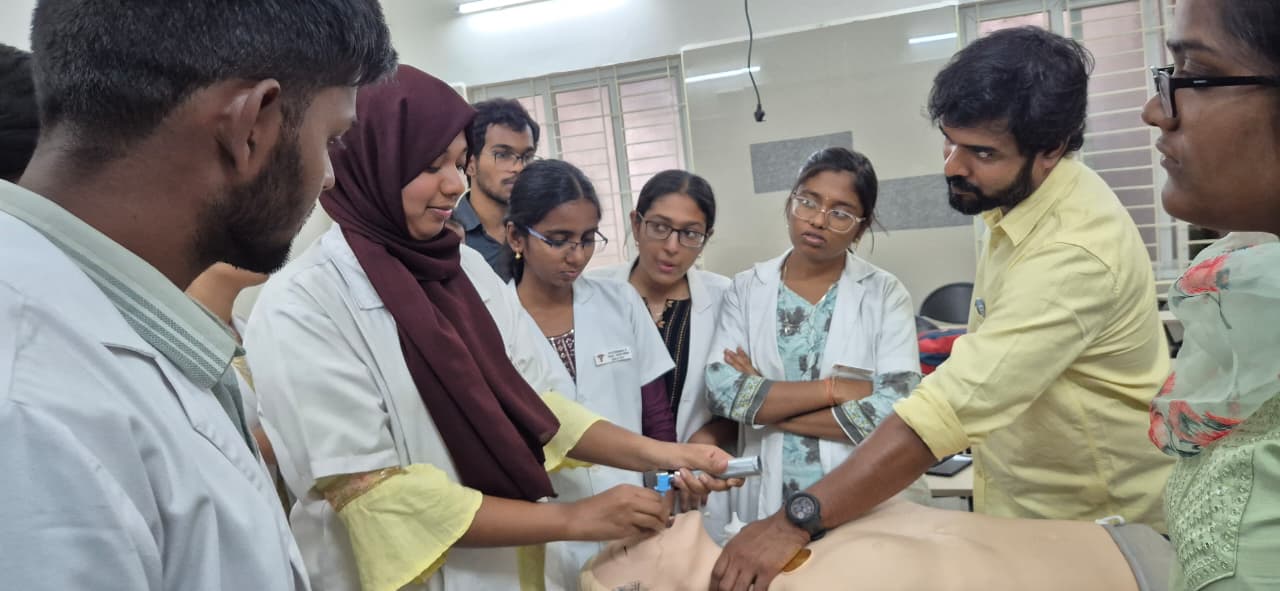
Established in 2021 and functioning under the Medical Education Unit (MEU), the Skill Laboratory is a state-of-the-art simulation-based training facility dedicated to building clinical competence, patient safety, and procedural proficiency among healthcare professionals. It supports the implementation of the National Medical Commission's (NMC) Competency-Based Medical Education (CBME) curriculum through structured, hands-on training in a safe, risk-free environment.
The lab enables learners to acquire, practise, and master clinical, procedural, communication, and teamwork skills before performing them on patients, through repetitive practice, objective assessment, debriefing, and competency certification.
Vision & Objectives
Vision
To become a centre of excellence in simulation-based medical education, nurturing competent, compassionate, and ethical healthcare professionals through innovative, evidence-based skills training.
Objectives
- Deliver competency-based simulation training as per NMC guidelines
- Develop psychomotor, cognitive, and communication skills through supervised practice
- Strengthen procedural competence and clinical reasoning before real patient exposure
- Improve emergency preparedness and crisis resource management
- Standardise procedural training across departments with formative and summative assessment
- Foster professionalism, teamwork, and interdisciplinary learning
- Support continuous, lifelong skill development
Infrastructure & Facilities
The Skill Lab is designed as a learner-friendly simulation environment, offering:
Nine skill training rooms
Demonstration hall
Debriefing & review room
Faculty coordinator room
Individual practice stations
Simulator & mannequin storage
Audio-visual teaching system
Video recording facility
Internet connectivity
Technical support staff
Student discussion area
Future Vision
The Skill Laboratory aims to evolve into a Regional Centre of Excellence in Simulation-Based Medical Education — expanding simulation technologies, strengthening faculty development, promoting interdisciplinary education, and supporting research in medical education across the region.
Dr.N.Husamuddin.,M.D (Physio)
Head of the Department (I/C),Physiology , Physiology
Dr. S. Naven Kumar, MBBS, DNB, DA
Senior Assistant Professor, Department of Anaesthesiology (Skill Lab Assistant Nodal Officer) , Anaesthesiology
| S.NO | NAME | DEPARTMENT |
|---|---|---|
| 1 | Dr. P. Gnanavel, MD | General Medicine |
| 2 | Dr. S. Suresh, MS | General Surgery |
| 3 | Dr. D. Poovizhi, MS | Obstetrics & Gynaecology |
| 4 | Dr. Ramesh, MS | Orthopaedics |
| 5 | Dr. A. Gajalakshmi, MD (Committee Member (co-coordinator)) | Pathology |
| 6 | Dr. S. Suganya, DCH | Paediatrics |
| 7 | Dr. R. Chitradevi, MSc, PhD | Physiology |
| DISCIPLINE / CATEGORY | SIMULATION EQUIPMENT |
|---|---|
| Basic Life Support & Resuscitation |
|
| Suturing, Wound Care & Vascular Access |
|
| Urology |
|
| Obstetrics & Gynaecology |
|
| PROGRAMME | SKILLS COVERED |
|---|---|
| MBBS Phase I | Basic Life Support, hand hygiene & universal precautions, biomedical waste management, basic first aid, communication skills, vital signs, injection techniques, professionalism & ethics |
| MBBS Phase II | Clinical examination skills, airway management, oxygen therapy, IV cannulation, urinary catheterisation, suturing, trauma care, basic emergency skills, team-based simulation |
| MBBS Phase III – Part I | Department-specific procedural training (Medicine, Surgery, Orthopaedics, O&G, Paediatrics, ENT, Ophthalmology, Anaesthesiology, Emergency Medicine) covering clinical examination, procedural skills, communication, clinical reasoning & documentation |
| MBBS Phase III – Part II (Final MBBS) | Advanced airway management, adult CPR, emergency resuscitation, trauma & obstetric emergencies, team dynamics, crisis resource management, OSCE preparation |
| Compulsory Rotatory Internship (CRMI) | Advanced life support principles, emergency airway management, trauma & emergency procedures, ICU and ward procedures, clinical communication, documentation, patient safety, simulation-based emergency scenarios |
| Foreign Medical Graduates (FMGE) | Clinical examination, BLS, airway management, IV access, catheterisation, suturing, obstetric skills, emergency procedures, professional communication |
| Paramedical & Allied Health Staff | CPR, basic airway management, oxygen therapy, patient transfer, injection safety, IV cannulation, biomedical waste management, infection prevention, emergency response, trauma care, communication & teamwork — for ED, anaesthesia, OT, radiology and laboratory technicians, nursing personnel and allied health students |
Teaching Methodology
- Interactive demonstrations
- Hands-on skill stations
- Small-group teaching
- Case-based discussions
- Simulation-based learning
- Debriefing & reflective learning
Assessment Methods
Competency is assessed using NMC-recommended methods: OSCE, DOPS, Mini-CEX, skills checklists, workplace-based assessment, direct faculty feedback, and reflective debriefing.
| S.NO | WORKSHOP / SIMULATION EVENT | DATE | PHOTOS |
|---|---|---|---|
| No event records currently available for Skills Lab. | |||